
NJAA News
NJAA Member Companies Recognized on ROI-NJ’s ROI Influencers: Real Estate 2023 List
NJAA is proud to announce that many of our members, as well as our very own Executive Director and CEO David Brogan, have been named to ROI-NJ's 2023 Real Estate Influencers list. Recognized for their impact on real estate, these influencers are honored by ROI-NJ for...

NJAA Announces its 2023 Garden State Awards Finalists
Back for the first time since 2019, we're thrilled to celebrate the accomplishments and successes of NJ's multifamily industry at our 2023 Garden State Awards celebration. While you'll have to wait to join us on Wednesday, November 8 at iPlay America in Freehold to...
New Hotel & Multiple Dwelling Registration Procedures Taking Effect
On August 9, 2023, the NJ Department of Community Affairs updated regulations concerning the registration of hotels and multiple dwellings. Under the new regulations, property owners are required to annually recertify the registration information for their properties....
Executive Director and CEO David Brogan Releases Statement Following the Death of Ronald Rice
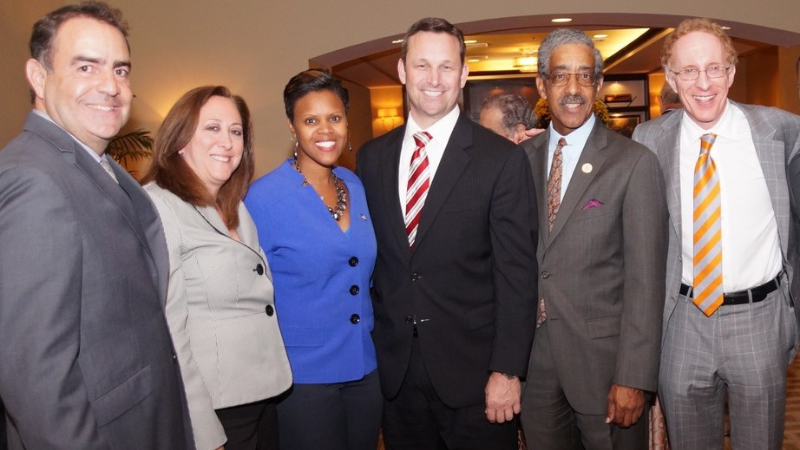
In response to the death of former State Senator Ronald Rice, David Brogan, Executive Director and CEO of the New Jersey Apartment Association, released the following statement: “The State of New Jersey suffered a significant loss with the passing of Senator Ron Rice....

NJAA Executive Director And Members Across Many Industries Named to ROI-NJ 2023 Power List
Please join us in congratulating our executive director and CEO, David Brogan, and many NJAA members for being included in ROI-NJ's 2023 Power List. Selected because they are considered the best and brightest in business by ROI-NJ's editorial team, the extensive...

NJAA Executive Director and Many NJAA Members Named to ROI-NJ’s 2022 Real Estate Influencers List
Congratulations to our Executive Director and CEO, David Brogan, and the many NJAA members who have been named to the ROI-NJ 2022 Real Estate Influencers List. Honorees are chosen by a process that includes the opinions of numerous thought leaders from around the...

NJAA Member Companies Recognized on NJBIZ’s 2022 Leaders in Real Estate, Construction and Design List
NJAA is proud to announce that many of our members and member companies have been named to the NJBIZ 2022 Leaders in Real Estate, Construction and Design list. Those named to the list include representation from the following member companies: Blue Onyx Cos. The...
Emergency Rental Assistance Program Information
From the beginning of this pandemic, NJAA knew a tenant’s ability to pay rent could be impacted by the massive changes brought on by COVID-19. Working with lawmakers, NJAA strongly lobbied the state to provide rental assistance to tenants in need. This webpage serves...
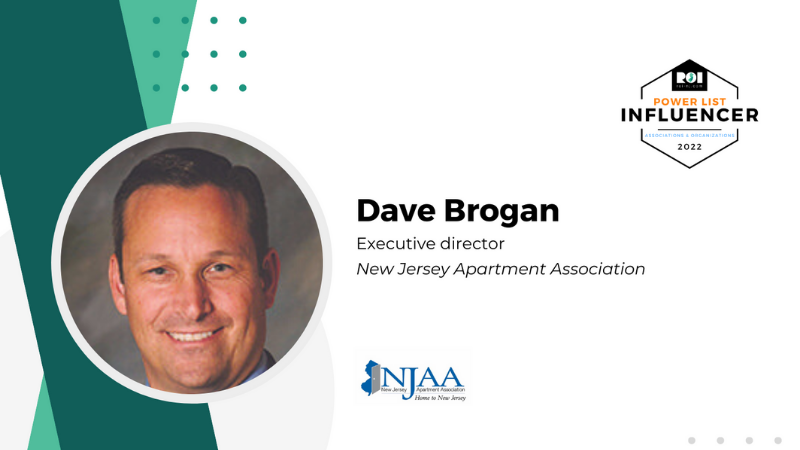
NJAA’s David Brogan Named to ROI-NJ 2022 Power List
We’re thrilled to announce our executive director and CEO, David Brogan, has been named to ROI-NJ’s 2022 Influencer Power List! A leading business publication in the state, ROI-NJ solicited opinions and insights from the state’s leading figures to pull together this...